This is Zyami..
A Pan-African learning ecosystem built for the whole family — not just the child.
Not a curriculum to complete. Not a cultural add-on to an existing system. Not a supplement to school.
A complete reimagining of what education means for African families — built from first principles, designed for the world your child is actually growing into.
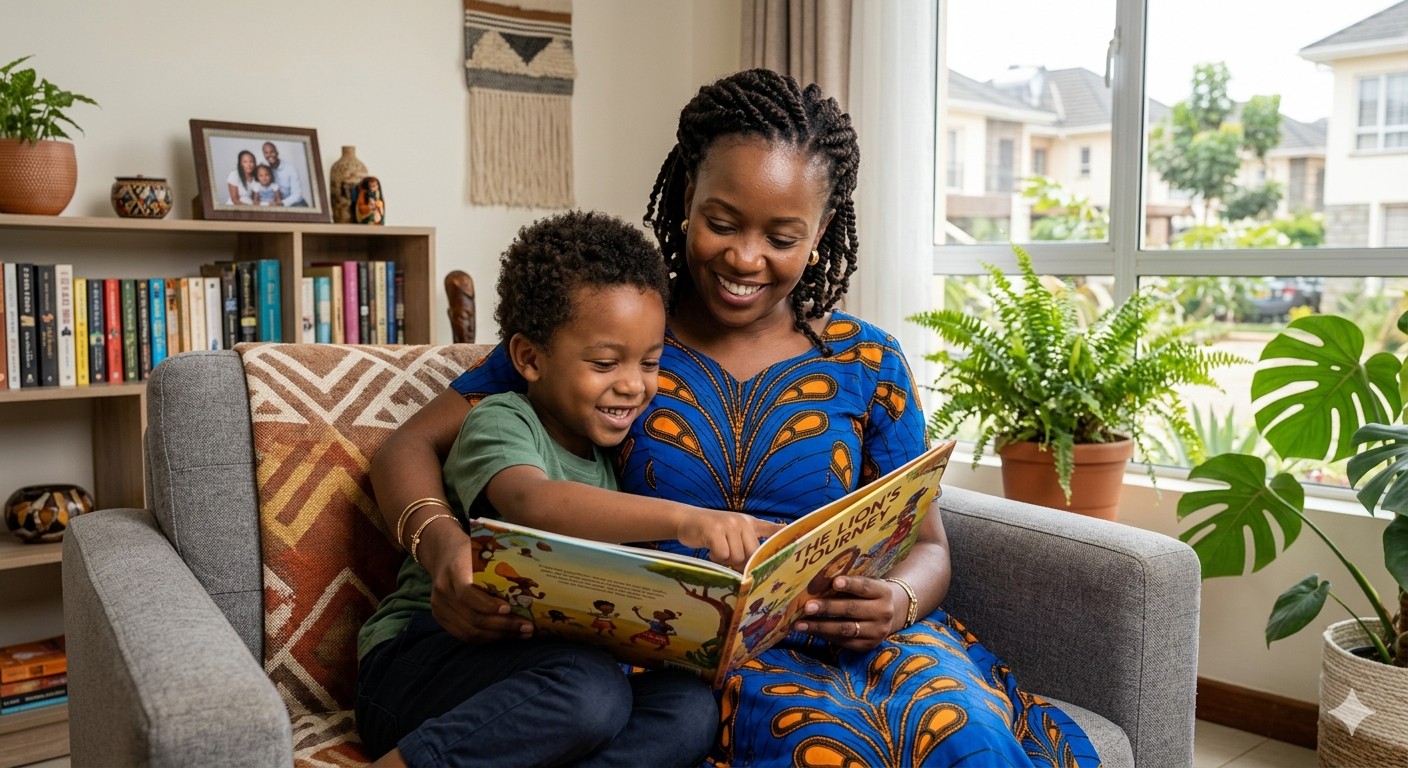
It started at home.
I’m Kagendo — a parent, not an institution.
Zyami didn’t begin with a business plan or a gap in the market. It began with a question I couldn’t stop asking once I started homeschooling my children:
What is my child actually learning — and will it serve them?
I opened their history textbooks and felt something between confusion and anger. Not because the information was wrong. But because Africa — our history, our civilisations, our contributions — barely existed in those pages.
When it did appear, it appeared as a footnote. As recipient, not contributor. As problem, not origin.
And I thought: this can’t be the full story.
Then I looked at education itself — at what it was designed to do, and for whom. And I saw something that troubled me more than the textbooks.
Education was still stuck in 1985.
The world had already moved. AI was not coming — it was here. The skills a child needed to navigate 2030 were not the skills being built in classrooms. And yet the system kept producing children who could pass exams but couldn’t think independently. Who could recite facts but couldn’t question them. Who knew the world as others had described it — but not as they had experienced it.
I didn’t want that for my children. And I suspected I wasn’t alone.
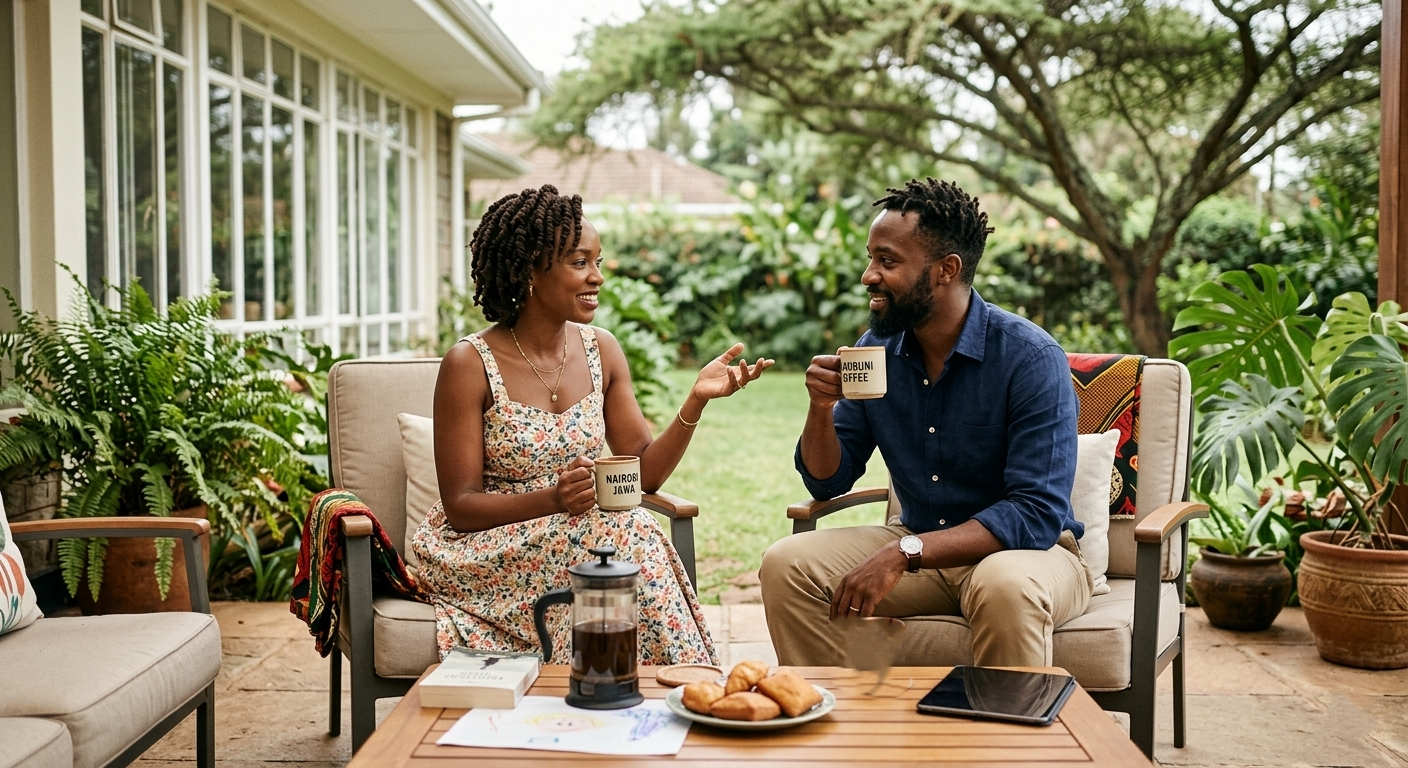
The pattern kept showing up.
Every conversation with another parent confirmed it.
They weren’t looking for more content. They were looking for clarity.
Not more activities. But something that helped them understand what to pass on — and why.
Parents who felt the gap but couldn’t name it. Parents who sensed that something important was missing but didn’t know where to begin. Parents who were educated, intentional, and deeply invested — and still felt like they were working with incomplete information.
The question wasn’t whether families wanted something different. The question was whether something different existed.
It didn’t. So we built it.
Let’s be clear.
What Zyami is not.
Zyami is not a collection of African facts added onto an existing system.
It is not performative identity education — surface-level culture designed to make children feel good without helping them think clearly.
It is not built to fit neatly inside the structures that failed us.
It does not exist to supplement school, validate the current curriculum, or compete for space within a system that was never designed with the African child at its centre.
Zyami exists outside that conversation entirely.
We are not fixing what’s broken.
We are building what should have existed.
What we believe.
Education was never meant to be this.
Before colonisation fractured it, African education was not a system of subjects.
It was an ecosystem.
A story was mathematics and history and science and language — all at once. Knowledge was not divided into compartments. It was passed down through conversation, observation, participation, and practice. The community was the classroom. The elder was not the authority — they were the guide.
Learning was not preparation for an exam. It was preparation for life.
We didn’t abandon that model because it failed. We abandoned it because we were told to.
Zyami is a return to that principle — updated for the world our children are actually growing into. Not nostalgic. Not idealistic. Just honest about what works, and for whom.
The parent’s role.
Zyami doesn’t teach your child. It helps you become the environment they learn from.
This is the shift most education platforms miss.
They build for the child. We build for the family.
Because a child who receives new information from a parent who hasn’t questioned their own education will receive it as content — not formation.
The parent is not the delivery mechanism. The parent is the foundation.
Zyami brings the parent back to the centre of the learning experience — not as teacher, but as guide. Not as expert, but as fellow traveller. Someone willing to unlearn, question, and rebuild alongside their child.
That is the Zyami model. And it starts with you.
What it costs if nothing changes.
A child who grows up without cultural grounding does not just miss history lessons.
They grow up without a reference point for who they are. Without the language to understand their place in the world. Without the confidence that comes from knowing your story — fully, honestly, without apology.
And they enter a world that is moving faster than any previous generation has had to navigate — where AI is reshaping work, where adaptability is not optional, where the ability to think independently is the most valuable skill a person can carry.
An identity without roots cannot navigate that world steadily.
The cost of getting this wrong is not a bad grade. It is a generation of children who are technically educated — and fundamentally lost.
That is what we are building against.
This is already in motion.
This isn’t an idea. It’s already happening.
Zyami didn’t launch with fanfare. It started with families.
Conversations that kept returning to the same questions. Gatherings where parents sat together and named what they’d been carrying quietly. A Fire Circle where children and families came together not to be taught — but to remember.
Since then, a WhatsApp community has formed — not as a broadcast channel, but as a living space where parents think out loud, share small wins, ask hard questions, and hold each other accountable.
Free kits and workbooks have gone into family homes. Paid resources have followed. Events have happened. Programs have run.
We are building this in the open. Testing. Listening. Adjusting. Not at scale — but with intention.
Because trust is not built quickly. And we are not in a hurry to skip the part where we earn it.
How we’re built.
Four pillars. One ecosystem.
Zyami is not a single program. It is a learning ecosystem designed so that every element works together — and learning becomes part of how your family lives, not something that happens elsewhere.
📚 Curriculum
What your child learns
African history, identity, and worldview as the foundation — not an add-on. Your child learns from where they actually stand, not from the margins of someone else’s story.
🌍 Experiences
How they live it
We don’t just teach. We take families out to see, touch, and live what they’re learning — so it becomes part of how they see the world, not just what they know about it.
👥 Community
Who they grow with
Parents asking the same questions as you — and choosing to do something about it. A space where depth and play coexist. Where real conversations happen alongside real joy.
🔑 Parent Learning
How you evolve too
You begin to see what your own education left out — and gain the clarity to guide your child differently. Because you are their first teacher. And you cannot pass on what you haven’t been given.
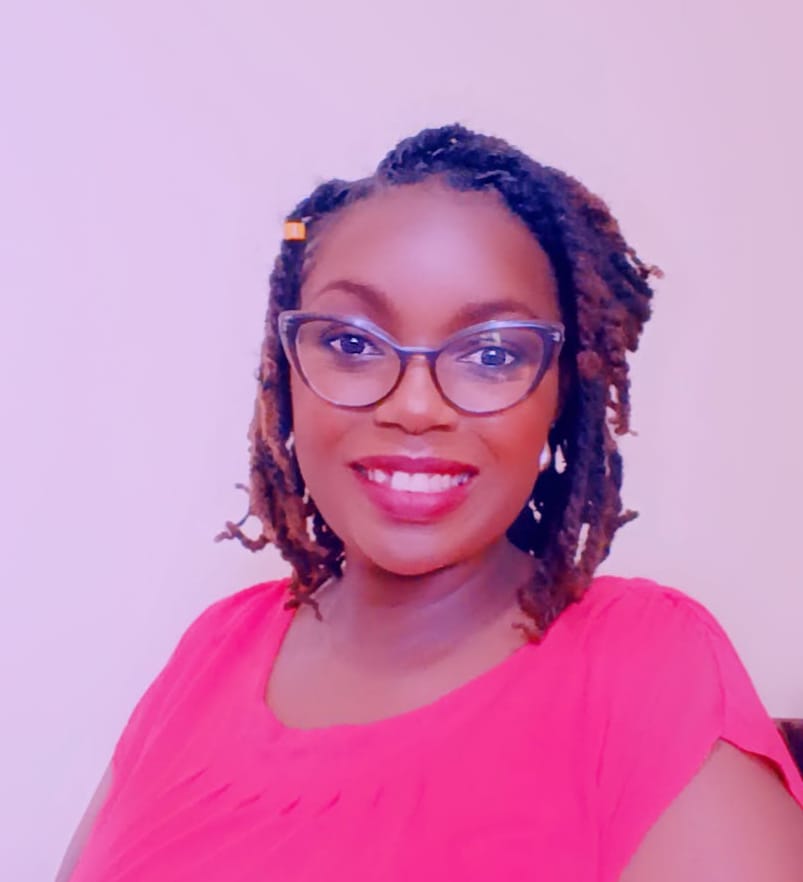
Kagendo — Founder
I am not an academic. I am not a curriculum expert. I am a parent who refused to ignore a question once it arrived.
Everything I have built inside Zyami came from that refusal — from sitting with the discomfort of what I found in my children’s textbooks, from asking what education was actually for, from looking at the world my children would inherit and deciding that the tools they were being given were not enough.
I built Zyami because I needed it. And because I knew other families needed it too.
I am still learning. Still questioning. Still building. That is the only qualification that matters here.
The child we are raising.
This is who we are building toward.
A Zyami child does not just know African history. They understand why it matters — and what it means for how they move in the world.
They can hold two things at once: A deep sense of where they come from — and a clear-eyed understanding of where the world is going.
They ask questions before they accept answers. They see Africa not as a footnote but as a starting point. They understand that identity is not given — it is built. And they know they have a role in that building.
They are not educated for an exam. They are formed for a life.
Adaptable. Grounded. Curious. Capable.
Ready for the world as it is — and as it is becoming.
That is the Zyami child.
Where we are going.
2025. 2026. 2027.
Zyami began in 2025 with a question and a community.
In 2026 we are deepening — bringing founding families into the ecosystem, building the programs that will carry the vision forward, and proving that this model works before we scale it.
In 2027 we launch the full Zyami curriculum — the most complete Pan-African learning ecosystem built for African families.
Not because we are in a hurry. But because the children who need this are already here.
And they cannot wait for us to be ready.
We are building. Come with us.